
10 Things to Do After a Car Accident in MA
If you are involved in a Massachusetts auto accident, prioritize safety, call 911 when needed, exchange information, document the scene, seek medical care, notify your insurer, and preserve evidence. These steps can protect your health, satisfy reporting requirements, and help preserve a potential injury or property-damage claim.
1. What should you do first after a Massachusetts car accident?
The first priority is preventing additional harm. If you can move safely, move your vehicle out of traffic. Turn on your hazard lights and use warning triangles or flares if available. Do not leave the scene unless you need emergency medical treatment or law enforcement directs you to leave.
Take these immediate steps:
- Stop and remain at the scene.
- Check yourself, passengers, pedestrians, and other drivers for injuries.
- Call 911 if anyone is injured, traffic is blocked, a driver appears impaired, or the crash is serious.
- Avoid arguing about fault or making statements about who caused the collision.
- Do not move an injured person unless there is an immediate danger, such as fire or oncoming traffic.
If the crash is minor and no one appears injured, you should still exchange information and document what happened.
2. When should you call the police?
Call the police whenever there are injuries, significant property damage, suspected intoxication, an uncooperative driver, or a dispute about what happened. An officer may secure the area, identify witnesses, speak with drivers, and prepare an incident report.
Massachusetts generally requires drivers to report a crash to the Registrar of Motor Vehicles when it causes death, injury, or property damage exceeding $1,000. The written crash report is typically due within five days. Confirm the current requirement and obtain the appropriate form through the Massachusetts Registry of Motor Vehicles or local police department.
A police report does not automatically determine legal fault. It is one piece of evidence that may support your account of the collision.
3. What information should you exchange?
Exchange basic identifying and insurance information with every involved driver. Use your phone to photograph documents, but do not allow anyone to photograph sensitive information unrelated to the crash.
Collect:
- Full name, address, phone number, and driver’s license information
- Vehicle make, model, year, color, and license plate number
- Insurance company and policy information
- Names and contact details for passengers and independent witnesses
- Police agency name, officer name or badge number, and report number, if available
If another driver refuses to provide information, do not confront them. Give the details to the responding officer and your insurer.
4. How should you document the accident scene?
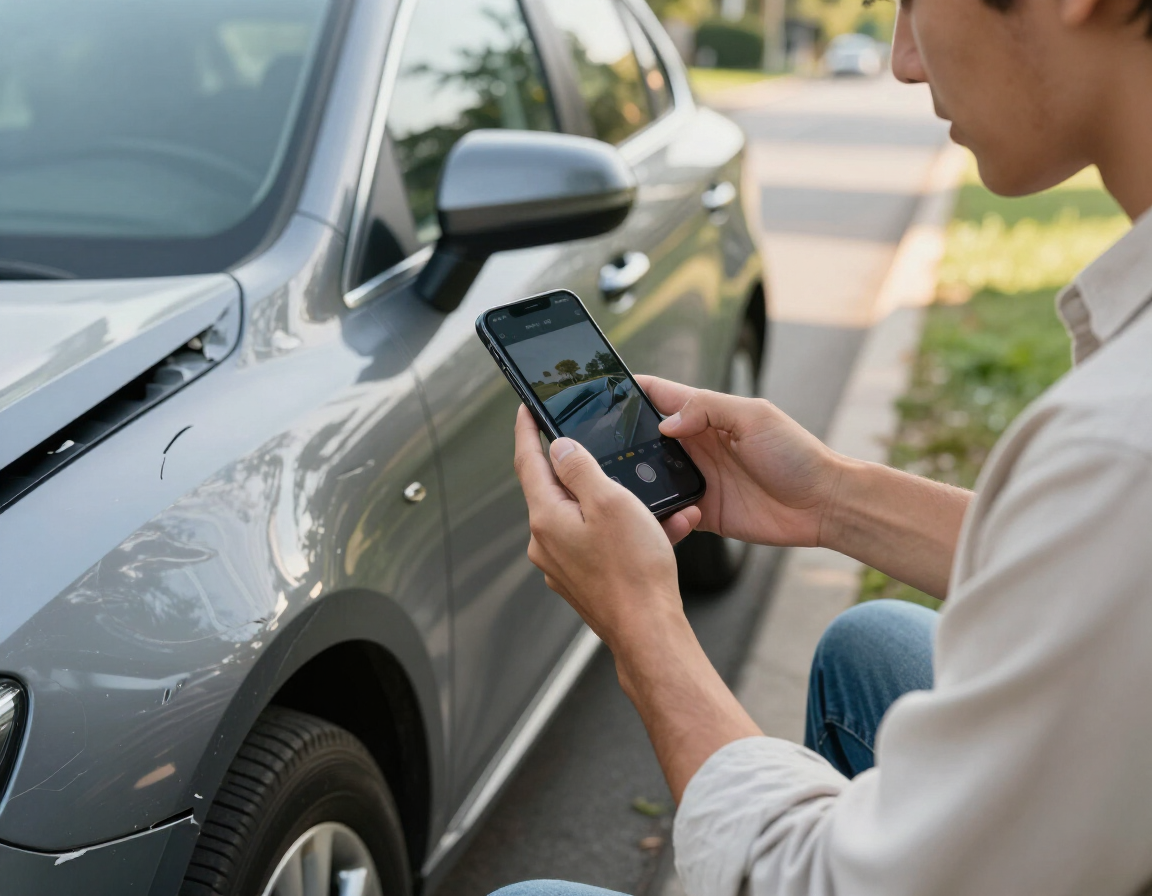
Photographs and notes can preserve evidence that disappears after vehicles are moved or weather changes. Photograph the vehicles from multiple angles, including close-ups and wider views showing their positions on the road.
Also document:
- Damage to every involved vehicle
- Skid marks, debris, broken glass, traffic signals, and road conditions
- Nearby signs, intersections, lane markings, and visibility issues
- Visible injuries, torn clothing, or damaged personal property
- Weather, lighting, traffic, and the approximate time of the collision
Write down what you remember as soon as possible. Include the direction each vehicle was traveling, what you heard, and what happened immediately before impact. Do not edit or enhance photographs in a way that changes the original evidence.
5. Should you see a doctor after a car accident?
Yes, seek prompt medical evaluation if you have pain, dizziness, numbness, headache, confusion, limited movement, or any other symptom. Some crash injuries, including concussions, whiplash, and internal injuries, may not be obvious immediately.
Follow the provider’s recommendations and keep records of appointments, diagnoses, prescriptions, restrictions, bills, and travel expenses. If emergency personnel recommend transportation or treatment, take that advice seriously.
Do not assume that feeling fine immediately means you are uninjured. Delayed symptoms should be reported to a medical professional, and you should explain that they followed the collision.
6. What insurance companies should you notify?
Notify your own auto insurer promptly, even if another driver appears responsible. Massachusetts is a no-fault insurance state for certain initial injury benefits, commonly called Personal Injury Protection or PIP. PIP may help cover eligible medical expenses and lost wages, subject to policy limits and applicable rules.
When speaking with an insurer:
- Provide accurate facts without guessing.
- Avoid minimizing pain or saying you are completely uninjured if symptoms are developing.
- Ask what documents and deadlines apply to your claim.
- Keep copies of forms, correspondence, estimates, and recorded statements.
- Do not sign a broad release before understanding what rights it may affect.
Insurance coverage can involve your policy, the other driver’s policy, health insurance, and possible exclusions. For information about the role of PIP claims, see our page on PIP Collections .
7. What should you avoid saying after a crash?
Be courteous, but limit your conversation to safety and information exchange. Do not admit fault, accuse another person, speculate about speed, or post photographs and commentary on social media.
Avoid statements such as “I was not paying attention” or “I am fine” when you have not been medically evaluated. Even casual comments can be misunderstood or taken out of context. Answer police questions honestly, but distinguish between what you know and what you do not remember.
Do not negotiate a private cash payment at the scene. The full cost of vehicle repairs, medical care, lost income, and future treatment may not be apparent immediately.
Protecting evidence and deadlines
Create a dedicated accident file containing photographs, the police report, medical records, bills, wage documentation, insurance letters, repair estimates, and your written timeline. Back up digital files and preserve original photographs and messages.
Massachusetts personal injury and property-damage claims can be subject to deadlines and notice requirements. The correct deadline depends on the facts, the parties involved, the type of claim, and whether a public entity is involved. Do not wait until a deadline is close to ask questions.
If an insurer requests a recorded statement or settlement authorization, consider getting legal advice first. A Massachusetts personal injury attorney can evaluate liability, available coverage, medical evidence, and potential damages. You can learn more about the firm’s Personal Injury services or contact the office to discuss next steps.
8. How can you protect a potential injury claim?
Consistency is important. Follow medical instructions, attend recommended appointments, and tell providers about all symptoms. Keep a daily record of pain, sleep disruption, missed work, household limitations, and activities you cannot perform.
Be careful with online posts and direct communication with the other driver’s insurer. Never alter records, exaggerate symptoms, or hide prior injuries. A prior condition does not automatically prevent recovery, but complete and accurate medical history matters.
If your injuries prevent work, save pay stubs, employer communications, tax records, and documentation showing missed hours. If someone helps with household tasks, record what assistance was provided and when.
9. What if the other driver is uninsured or leaves?
Call police immediately if the other driver leaves the scene, refuses to identify themselves, or appears uninsured. Do not chase the vehicle. Record its description, license plate, direction of travel, and any distinguishing details only if you can do so safely.
Look for witnesses, nearby security cameras, and businesses that may have recorded the crash. Notify your insurer promptly because uninsured or underinsured motorist coverage may be relevant, depending on your policy and the facts.
A practical accident checklist
Keep this short checklist in your vehicle or phone:
- Stop, get safe, and call 911 when appropriate.
- Exchange information and identify witnesses.
- Photograph the scene, vehicles, road, signs, and visible injuries.
- Seek medical care and follow treatment instructions.
- Report the crash and notify your insurer promptly.
- Preserve records and avoid discussing fault publicly.
Final takeaway
The most important things to do after a car accident in Massachusetts are to protect everyone from further harm, obtain medical attention, document the collision, exchange information, complete required reporting, and notify the appropriate insurers. Avoid admissions, social-media commentary, and rushed settlements. Save every record and monitor symptoms because injuries and claim issues may develop after the scene is cleared. If the crash caused significant injury, disputed fault, lost income, or complicated insurance questions, evaluate your options with a qualified Massachusetts personal injury attorney before signing documents or accepting payment.