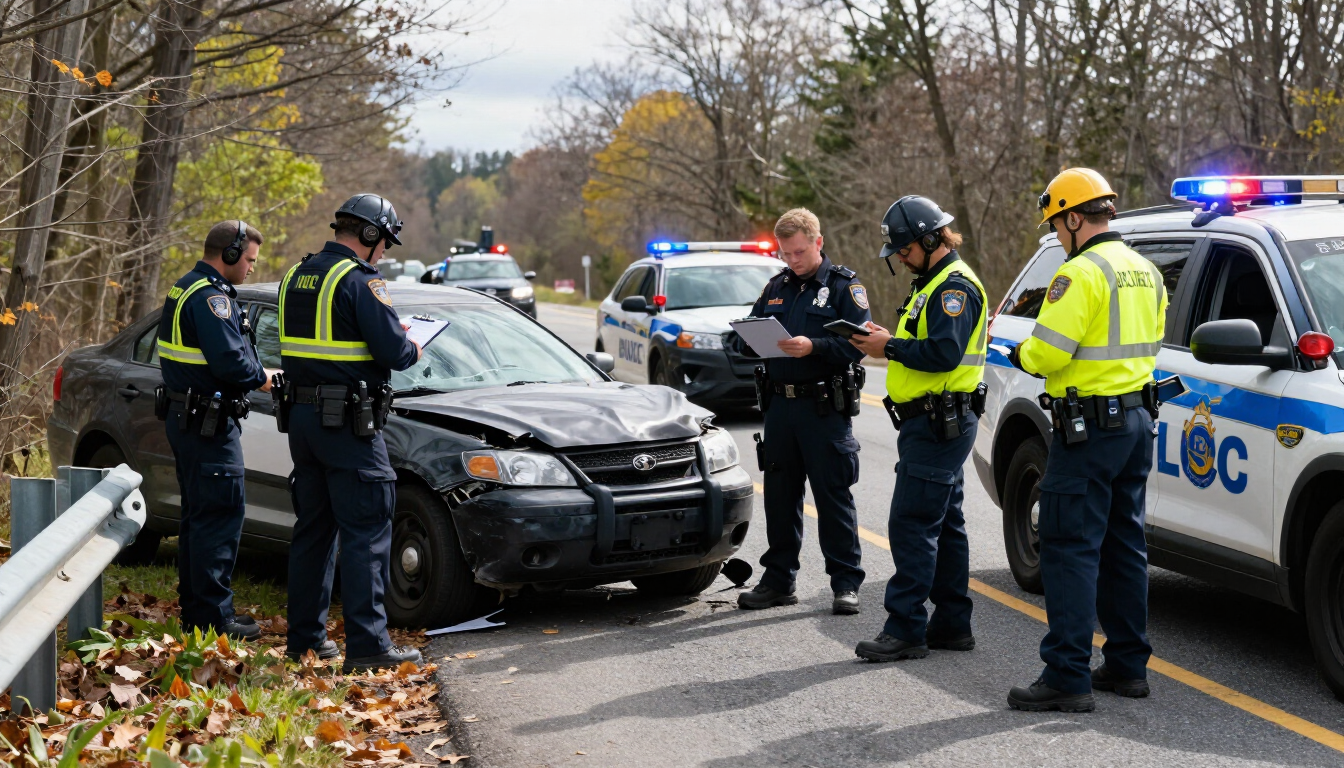

How to Cover Massachusetts Car Accident Medical Bills
If you are injured in a Massachusetts car accident, your own Personal Injury Protection (PIP) coverage usually pays eligible medical bills first, regardless of fault. Health insurance may cover remaining charges, while an at-fault driver’s liability insurance may reimburse losses later through a settlement or judgment.

Who pays medical bills after a Massachusetts car accident?
Massachusetts is a no-fault insurance state for initial injury-related expenses. That generally means you look first to your own auto policy’s PIP benefits—not the other driver’s insurer—to pay reasonable and necessary medical treatment after a crash.
PIP may help pay for expenses such as:
- Emergency room and hospital care
- Doctor visits and follow-up treatment
- Ambulance transportation
- Physical therapy and rehabilitation
- Certain medical expenses not covered by health insurance
Your coverage, policy limits, deductible, health insurance, and the facts of the accident all matter. A medical provider may also bill health insurance or ask for payment while an insurance claim is being processed.
How does PIP work in Massachusetts?
Massachusetts PIP coverage is designed to provide prompt payment after an auto accident, up to the applicable policy limit. In many policies, PIP can cover medical expenses and a portion of lost wages. The exact amount available depends on your policy and whether you have health insurance.
PIP is often called “no-fault” coverage because payment does not initially depend on proving that another driver caused the crash. You still need to report the accident, document your injuries, and submit requested bills and records.
PIP may be especially important when:
- You do not have health insurance.
- Your health insurer excludes or delays certain treatment.
- You need care before fault is resolved.
- The other driver has little or no insurance.
Review your policy promptly and ask the insurer what documentation it requires. Keep copies of every bill, explanation of benefits, prescription receipt, and correspondence.
What happens when PIP does not cover all medical expenses?
Medical treatment can continue after PIP benefits are exhausted. Depending on the circumstances, remaining bills may be submitted to your health insurer, paid personally, handled through a provider arrangement, or included in a claim against the at-fault driver.
Do not assume that an unpaid bill disappears while an injury claim is pending. Ask each provider how it expects payment and whether it will pause collection activity while insurance issues are reviewed. Get agreements in writing whenever possible.
A later settlement may account for accident-related medical expenses, but settlement funds are not immediate bill payment. The amount may also be disputed if the insurer argues that treatment was unrelated, excessive, or caused by a preexisting condition.
Keep a medical-bill file
Create one place for:
- Ambulance, emergency, and hospital bills
- Treatment notes and appointment dates
- Insurance claim numbers and adjuster contact information
- Health-insurance explanations of benefits
- Mileage, prescriptions, medical equipment, and out-of-pocket receipts
This record makes it easier to identify unpaid balances and explain how treatment connects to the accident.
Can the at-fault driver’s insurance pay my bills?
Usually, the at-fault driver’s liability insurer does not function like a health insurer that pays each bill as it arrives. Instead, liability coverage may compensate you through a negotiated settlement or court award after responsibility and damages are established.
Massachusetts law can allow an injured person to pursue a claim against the at-fault driver when injuries meet applicable requirements. The value of that claim may include medical costs, lost income, pain and suffering, and other losses. The process can be complicated when multiple insurers or providers are involved.
Before giving a recorded statement or signing a release, consider getting advice about your rights. A release may permanently end claims connected to the accident.

What should I do if an insurer denies or delays payment?
A denial does not necessarily mean you are responsible for every bill. First, ask for the reason in writing. Common issues include missing records, an incorrectly completed application, coverage questions, disputed treatment, or a disagreement about whether another payer should pay first.
Then take these steps:
- Request a written explanation and the policy provision relied on.
- Confirm that the insurer has complete medical records and bills.
- Ask your provider to correct coding or billing errors.
- Track deadlines for appeals and claim responses.
- Consult a Massachusetts personal injury lawyer before accepting a final denial or settlement.
Avoid ignoring collection notices. Tell providers that the charges relate to an active accident claim and ask what temporary options are available. A lawyer may be able to communicate with insurers and providers, investigate coverage, and protect your claim while treatment continues.
When should I contact a Massachusetts accident attorney?
Consider legal guidance early if your injuries are serious, treatment is ongoing, bills are mounting, an insurer is refusing PIP benefits, or fault is disputed. It is also wise to get advice before signing a release or discussing a settlement value.
A lawyer can help identify potential payment sources, preserve evidence, assess whether a liability claim is available, and account for medical liens or reimbursement claims. You can learn more about available Personal Injury services or contact the firm to discuss your situation.
Frequently asked questions
Do I have to pay accident medical bills myself?
Not necessarily. PIP, health insurance, provider arrangements, and a later liability recovery may all play a role. You remain responsible for understanding each bill and responding to payment notices.
What if I was partly at fault?
Your own PIP coverage may still apply because it is generally not based on fault. Any claim against another driver can involve separate rules about responsibility and damages.
Can I use my health insurance after a crash?
Possibly. Health insurance may pay covered treatment after coordination with auto insurance. Tell providers and insurers that the treatment is related to an automobile accident and keep all claim information consistent.
Should I settle before finishing treatment?
Be cautious. Settling too early can leave you without compensation for future care. Your current diagnosis, treatment plan, prognosis, and expected expenses should be understood before evaluating a final settlement.
Key takeaways
In Massachusetts, your own PIP coverage is usually the first source for eligible medical bills after an auto accident. Health insurance may address additional covered treatment, while the at-fault driver’s insurer may compensate you later through a liability claim. Report the crash, follow treatment, preserve every bill and insurance record, and respond promptly to denials or collection notices. If injuries are significant or payment is delayed, seek advice before signing documents or settling. Next, review your auto policy, request written coverage explanations, and consider speaking with a Massachusetts personal injury attorney about your options.